When I Thought I Was Heidi: A Childhood Memory of My Favorite Mountain Story
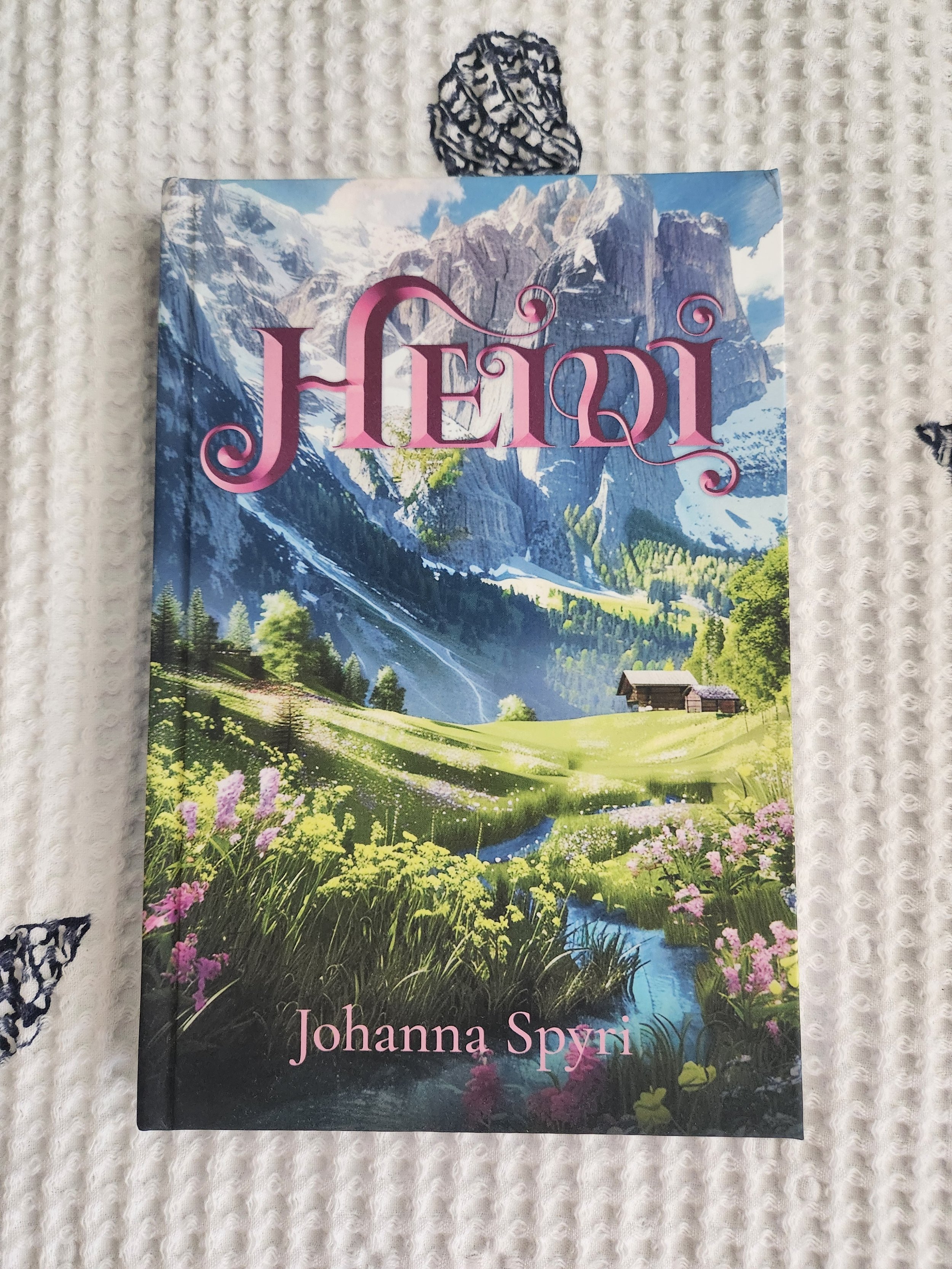
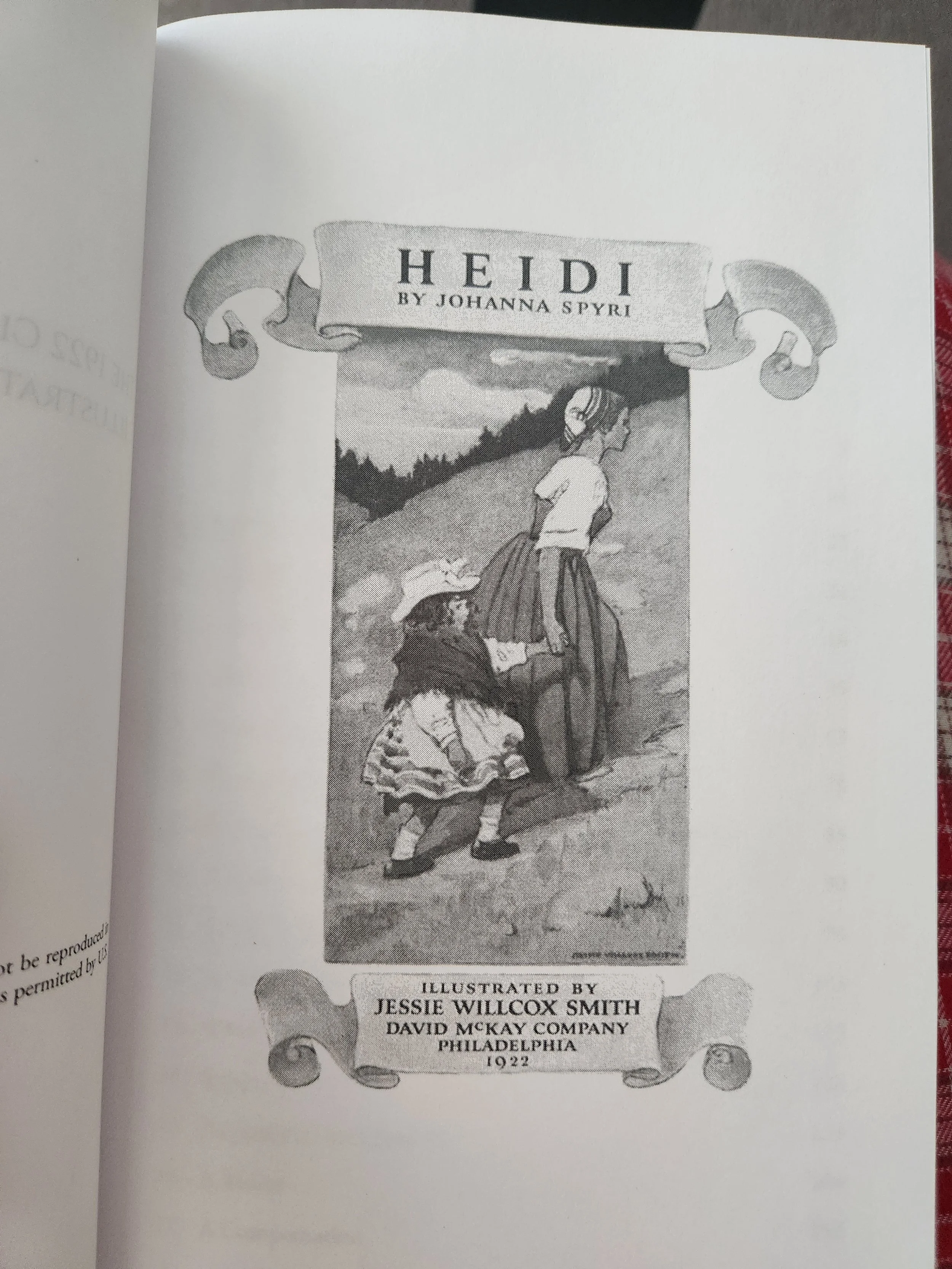
My second favorite childhood book is Heidi by Johanna Spyri.
I was around seven years old when I first read it. At that age, books felt less like stories and more like little worlds you could step into. And when I opened Heidi, I stepped right in.
But something even stranger happened.
When I saw the illustrations of Heidi — her dark hair, her life in the mountains with her grandfather — I had the strong feeling that the book was about me.
Not in a metaphorical way.
I genuinely believed it.
I remember looking at the pictures and thinking, that’s me.
And that must be my grandpa.
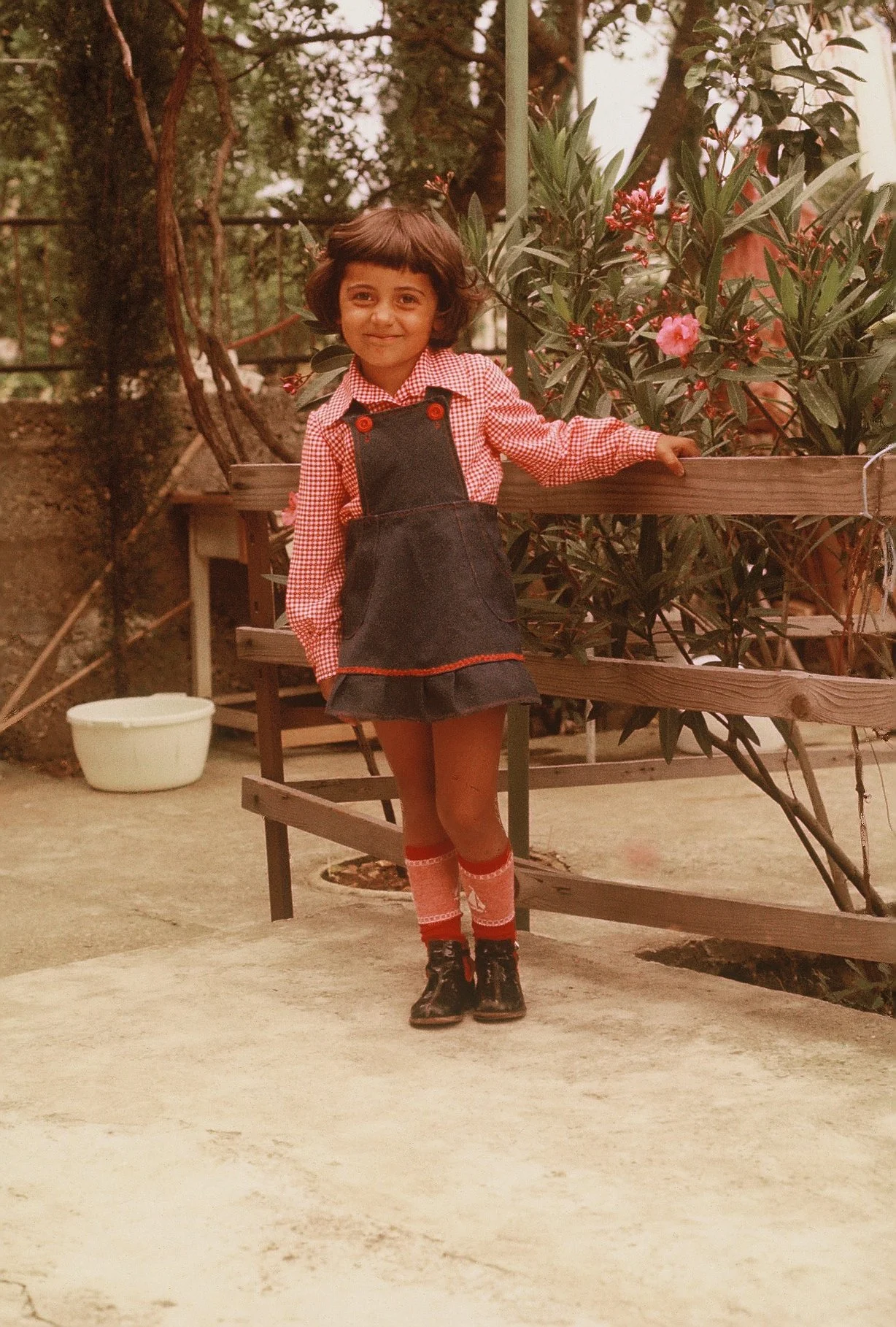
Children have a beautiful way of entering stories without barriers. We don't stand outside the book analyzing it. We walk straight into it and make it our own.
And somehow, Heidi invited that feeling.
A Story That Feels Like Home
For anyone who hasn't read it, Heidi tells the story of a young girl sent to live with her grandfather in the Swiss Alps.
At first, her grandfather is a mysterious and somewhat lonely figure. But Heidi's warmth, curiosity, and love of the mountain life slowly soften him. Their relationship grows into something deeply tender — quiet, protective, and full of care.
What I loved most as a child wasn't the plot.
It was the feeling.
The mountains.
The goats.
The sunshine on the grass.
The simple life in the little cabin.
It felt peaceful and safe.
Even now, when I think of Heidi, I feel that same calm.
The Magic of Childhood Reading
Looking back, I think the reason I believed Heidi was me wasn't just because of the illustrations.
It was because children naturally look for themselves in stories.
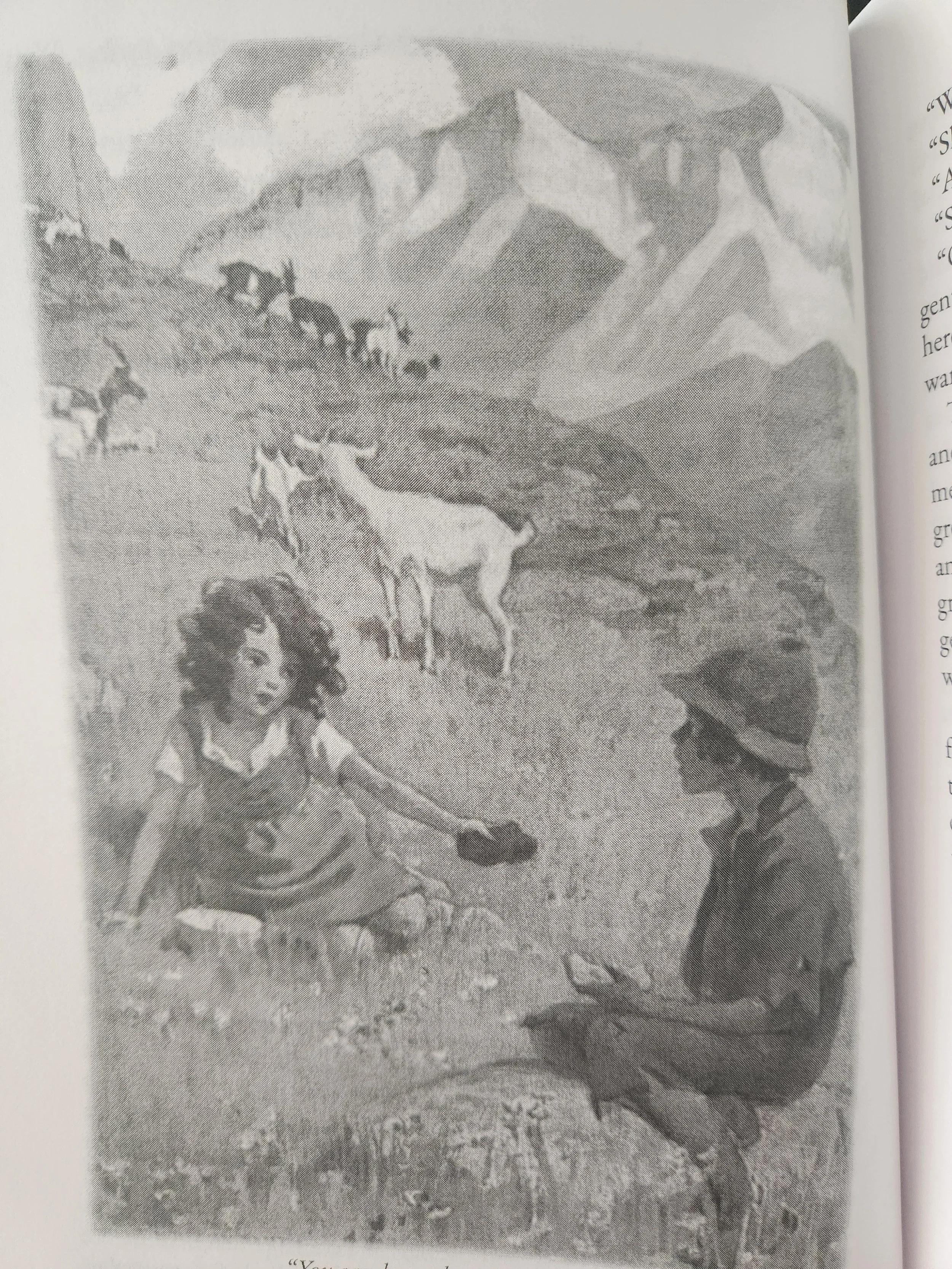
When we read as children, we aren't asking, What does this book mean?
We're asking something much simpler and much deeper:
Where am I in this story?
For seven-year-old me, the answer was clear.
I was Heidi.
And the mountain grandfather in the story felt like my own.
It's funny now, but it's also a reminder of how powerful books can be when we are young.
They don't just entertain us.
They shape the little worlds inside our imagination.
Why I Still Love Heidi
As an adult, I see the story a little differently.
Now I notice the themes of healing, kindness, nature, and the quiet ways people help each other change.
Heidi helps her grandfather reconnect with people.
She helps Clara discover strength and joy.
And in a way, the mountains themselves seem to heal everyone who comes there.
It's a gentle story — but sometimes gentle stories are the ones that stay with us the longest.
A Book That Will Always Feel Personal
Even though I no longer believe the book was secretly written about me and my grandfather, a part of me still feels personally connected to it.
Because for a little while, when I was seven, that story belonged entirely to me.
And maybe that's one of the most beautiful things about childhood books.
They let us become part of the story.
Favorite Quotes from Heidi
One of the things I loved most about the story was how Heidi found happiness in the simplest things.
“I never drank any so good before.”
That moment, when Heidi tastes the fresh mountain milk for the first time, perfectly captures the joy of discovering something simple and pure.
The book also beautifully describes the feeling of being in nature. The mountains are almost a character themselves:
“The mountain air was so cool and refreshing that every breath she drew was a pleasure.”
Reading passages like this made me feel as if I could breathe the Alpine air myself.
Another lovely moment in the story happens when Clara experiences the mountains for the first time and understands why Heidi loves them so much:
“Oh Heidi, if only I could stay up here for ever with you.”
But perhaps my favorite theme in Heidi is the quiet love between Heidi and her grandfather. Their life together in the little mountain hut feels peaceful, safe, and full of warmth.
Even something as simple as a glass of milk becomes a symbol of home:
“Our milk tastes nicer than anything else in the world, Grandfather.”
It’s these gentle, comforting moments that make Heidi such a timeless story. Even now, rereading it brings back the feeling I had as a child — that somewhere in the mountains there is a small wooden hut, a kind grandfather, and a girl running freely in the sunshine.
With love, stories, and steady healing,
Stasha
Books, Hormones & Chocolate 🤎📚🍫