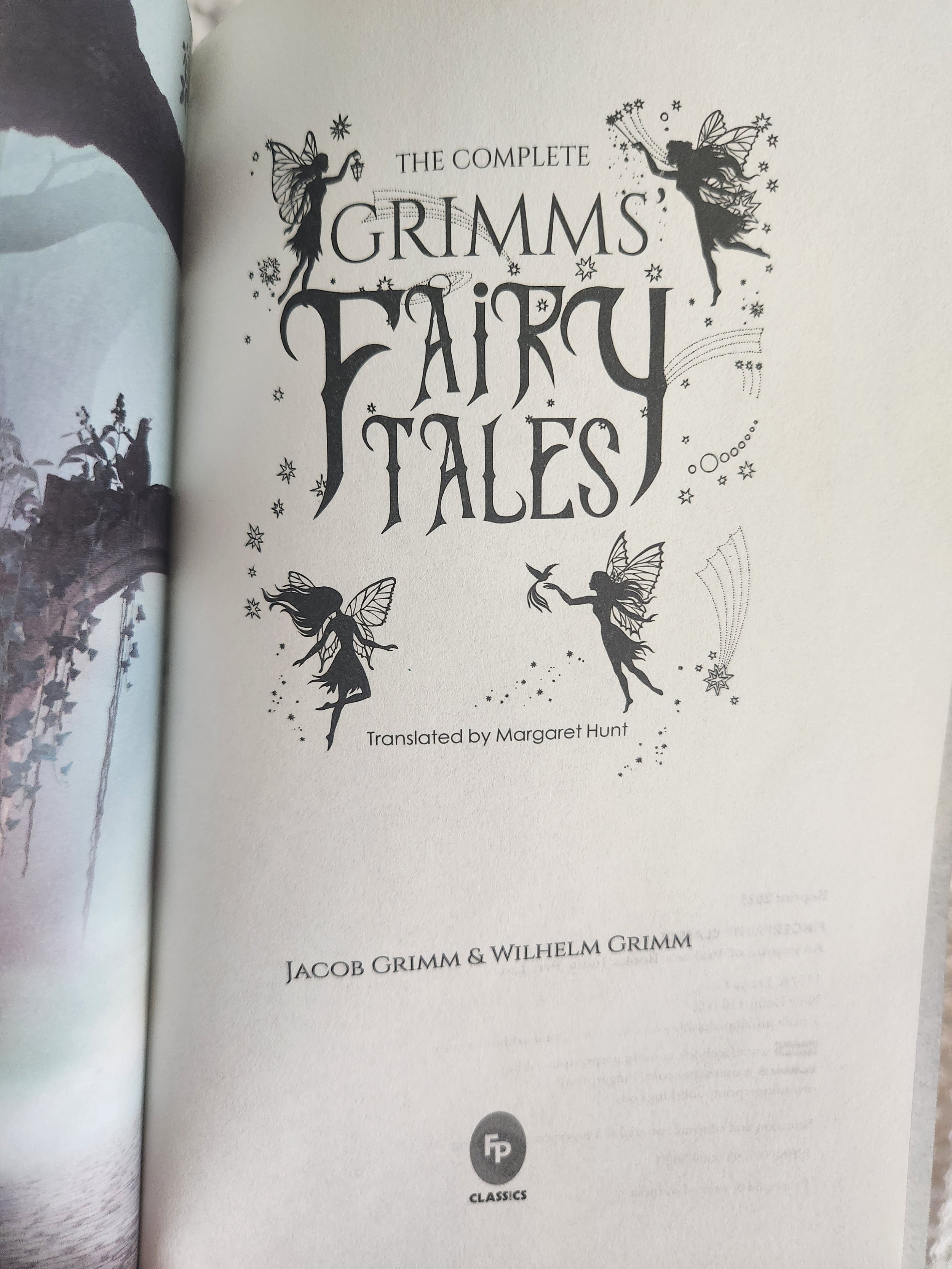
The Complete Grimm’s Fairy Tales: Dark Roots of Stories We Thought We Knew
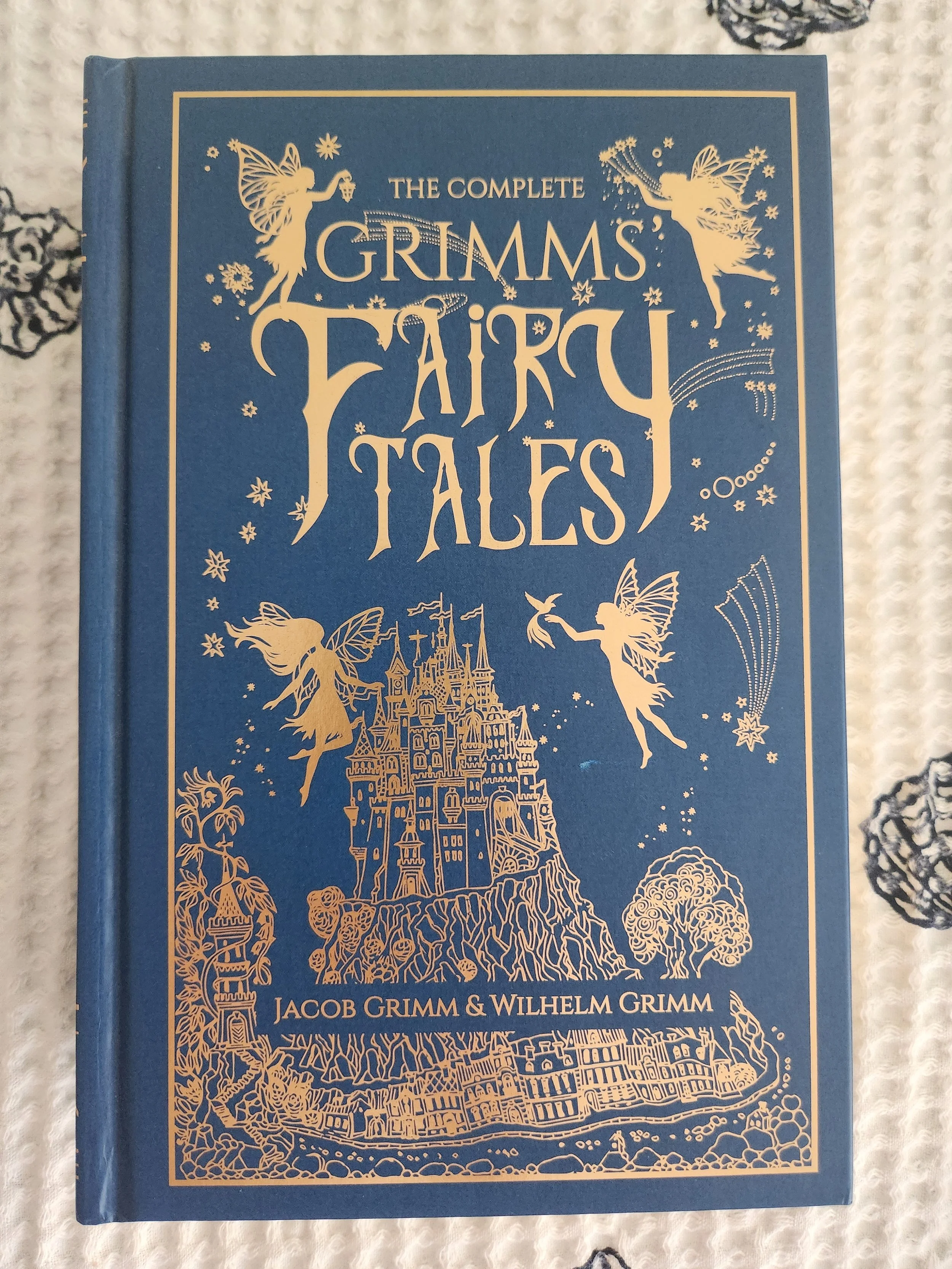
There’s something quietly unsettling about returning to the Grimm fairy tales as an adult. It feels like opening a door you’ve walked through a hundred times—only to realize the room behind it has changed.
Or maybe it hasn’t changed at all. Maybe it was always this way.
The versions many of us grew up with—softened, polished, and moralized—are only echoes of something older. In their original form, these stories are sharper, stranger, and often surprisingly brutal. And yet, that rawness is exactly what makes them so compelling.
The Familiar, Reimagined
Reading this collection feels like meeting old characters under completely different circumstances.
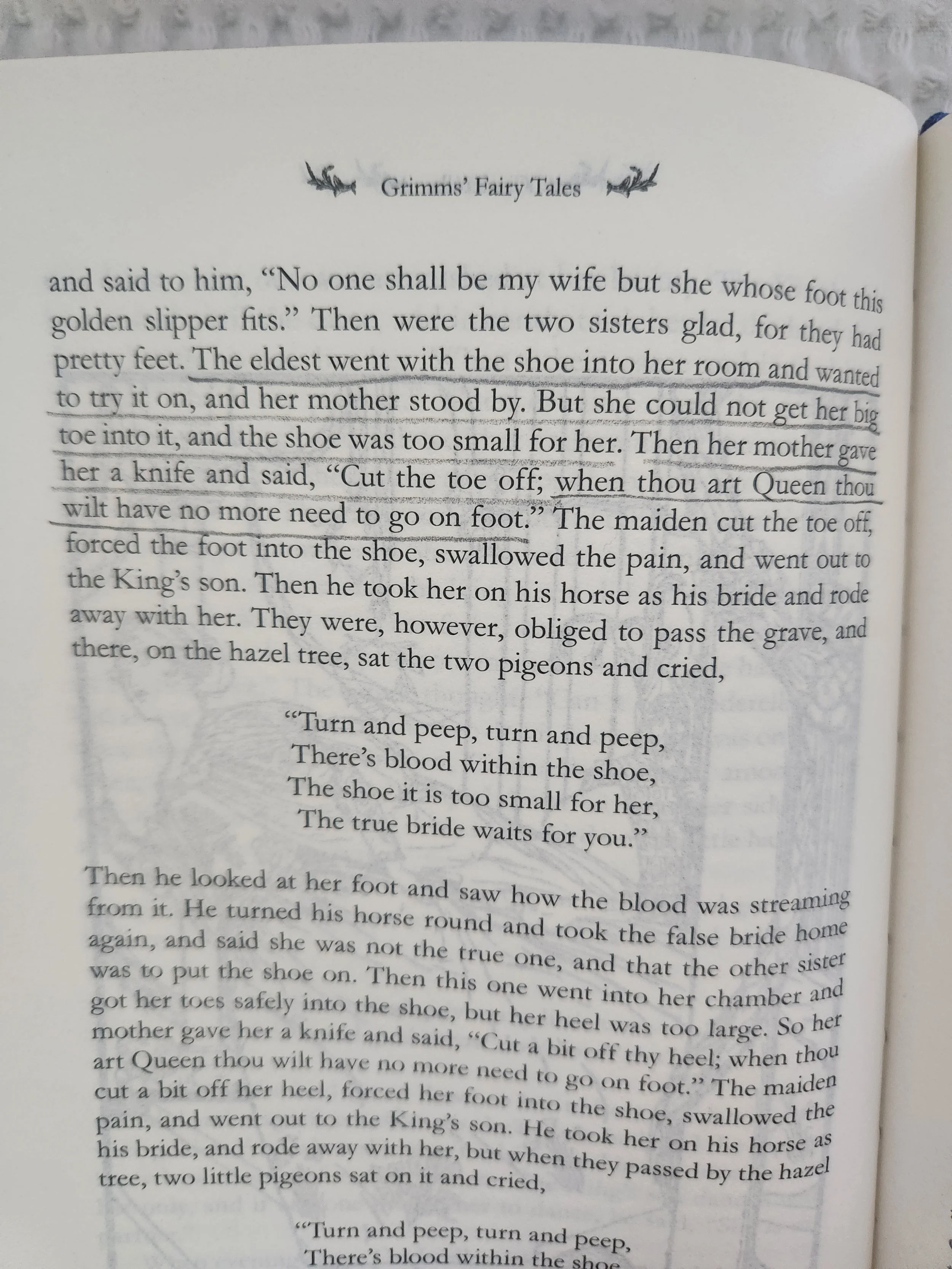
In Cinderella, longing and cruelty take on a physical form:
“The first one went into the room, sat down on the stool, and tried on the slipper, but she could not get her great toe into it… then her mother handed her a knife, and said, ‘Cut the toe off… when you are queen you will have no more need to go on foot.’”
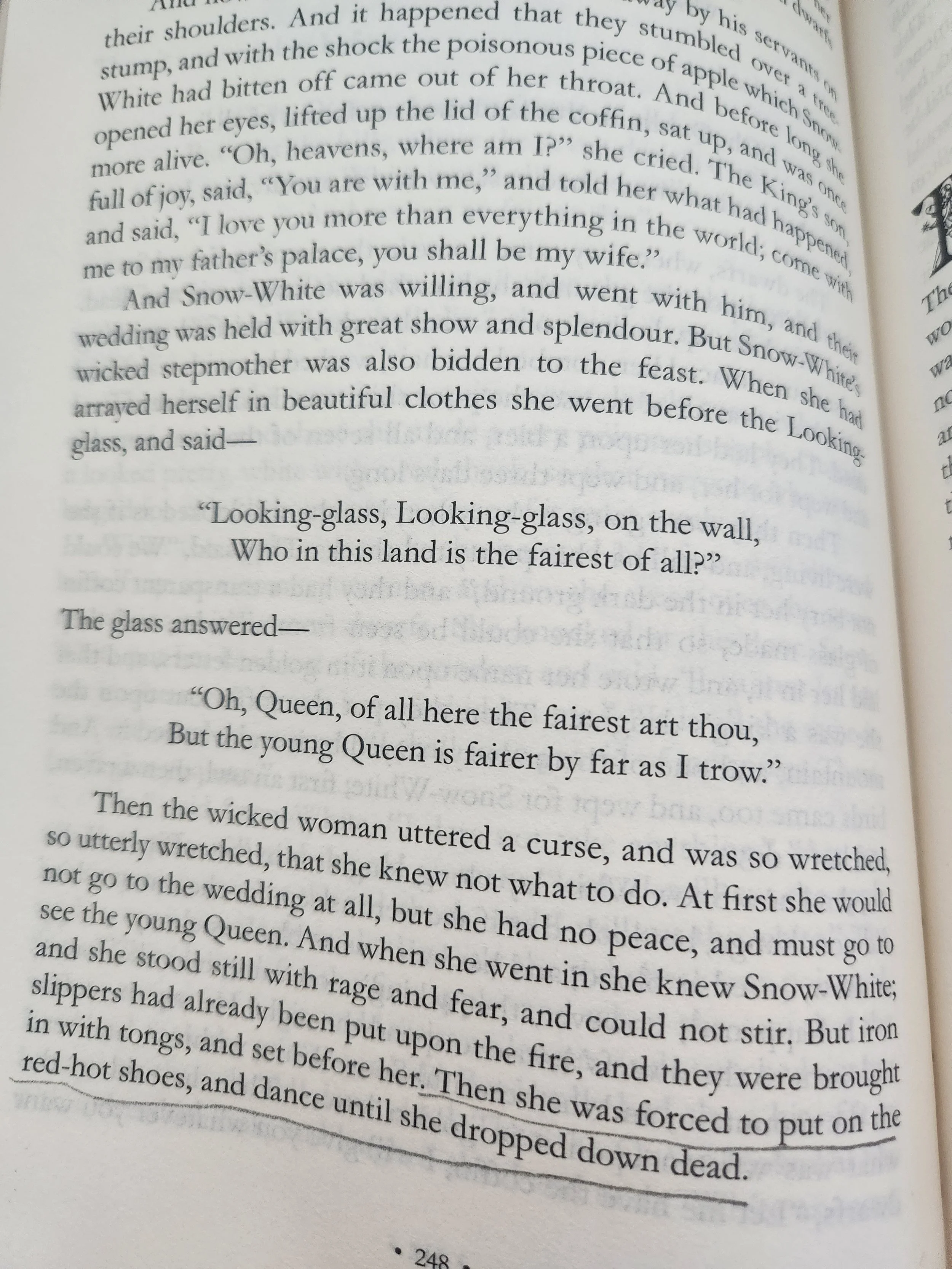
In Snow White, justice is not gentle—it is final:
“Then they put a pair of iron shoes on the fire until they were glowing… and she was forced to step into them and dance until she fell down dead.”
These are not stories that comfort. They confront.
Hunger, Fear, and Survival
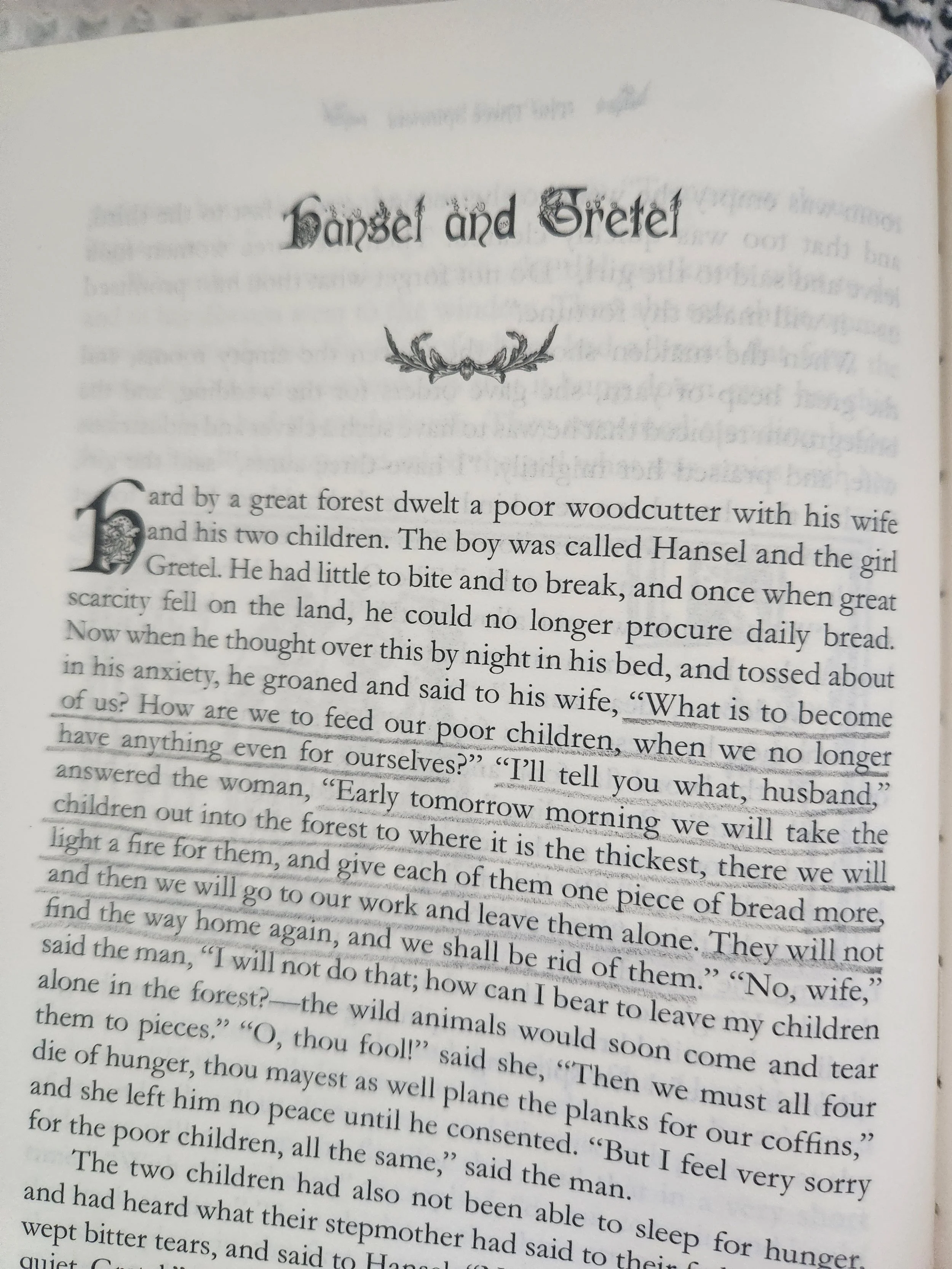
Some tales feel eerily grounded in real human fears—especially Hansel and Gretel, where abandonment is not metaphor but reality:
“There is nothing left for us to do but to abandon our children.”
The horror here isn’t just the witch or the forest—it’s the desperation that leads to such choices. It lingers longer than any fairytale villain.
And in Little Red Riding Hood, the danger feels less like fantasy and more like a warning:
“All the better to see you with… all the better to eat you with.”
There’s a quiet understanding beneath the surface—about trust, innocence, and the risks of wandering too far from safety.
Strange, Beautiful, and Unsettling
What surprised me most wasn’t just the darkness—it was the beauty woven through it.
Some stories feel dreamlike, almost hypnotic. Others are bizarre in a way that doesn’t fully resolve. And a few carry a quiet emotional weight that stays with you long after you’ve turned the page.
There’s a kind of honesty in these tales. Magic comes with consequences. Justice can be harsh. And innocence is never guaranteed to survive.
Why They Still Matter
This collection isn’t just nostalgia—it’s a return to the original bones of storytelling.
Before stories were softened for children, they were shaped by fear, morality, survival, and wonder. They weren’t meant to comfort; they were meant to teach, to warn, and sometimes simply to reflect the world as it was.
Reading them now feels like peeling back layers—not just of the stories themselves, but of how we’ve learned to reshape narratives over time.
And honestly, that’s what I loved most.
Final Thoughts
The Grimm fairy tales are not the stories you remember—but they might be the stories you didn’t realize you needed to read.
They’re darker. Stranger. More honest.
And somehow, more magical because of it.
Stay curious, a little mischievous, and always a bit chocolatey,
Stasha
Books, Hormones & Chocolate 🤎📚🍫